

Retinopathy – Protecting Vision from Silent Damage
Retinopathy refers to damage of the retina caused by changes in the eye’s blood vessels. It often develops quietly, without early symptoms, but can gradually weaken vision and lead to permanent sight loss if not treated in time. Early detection and ongoing care are essential to protect long-term vision.
When Should You Be Alert?
Blurry or fluctuating vision, dark spots, difficulty seeing at night, or sudden vision changes may indicate retinopathy. People with diabetes, high blood pressure, or vascular disorders are at higher risk and should undergo regular eye examinations—even if vision seems normal.
Accurate Diagnosis for Early Control
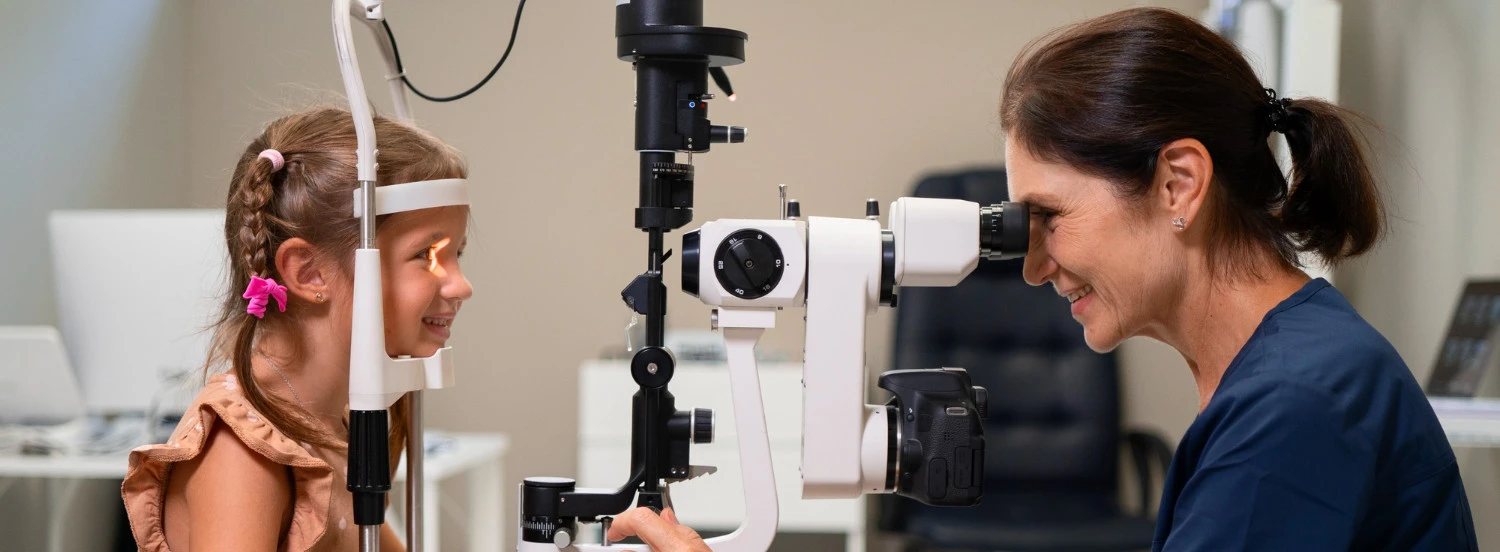
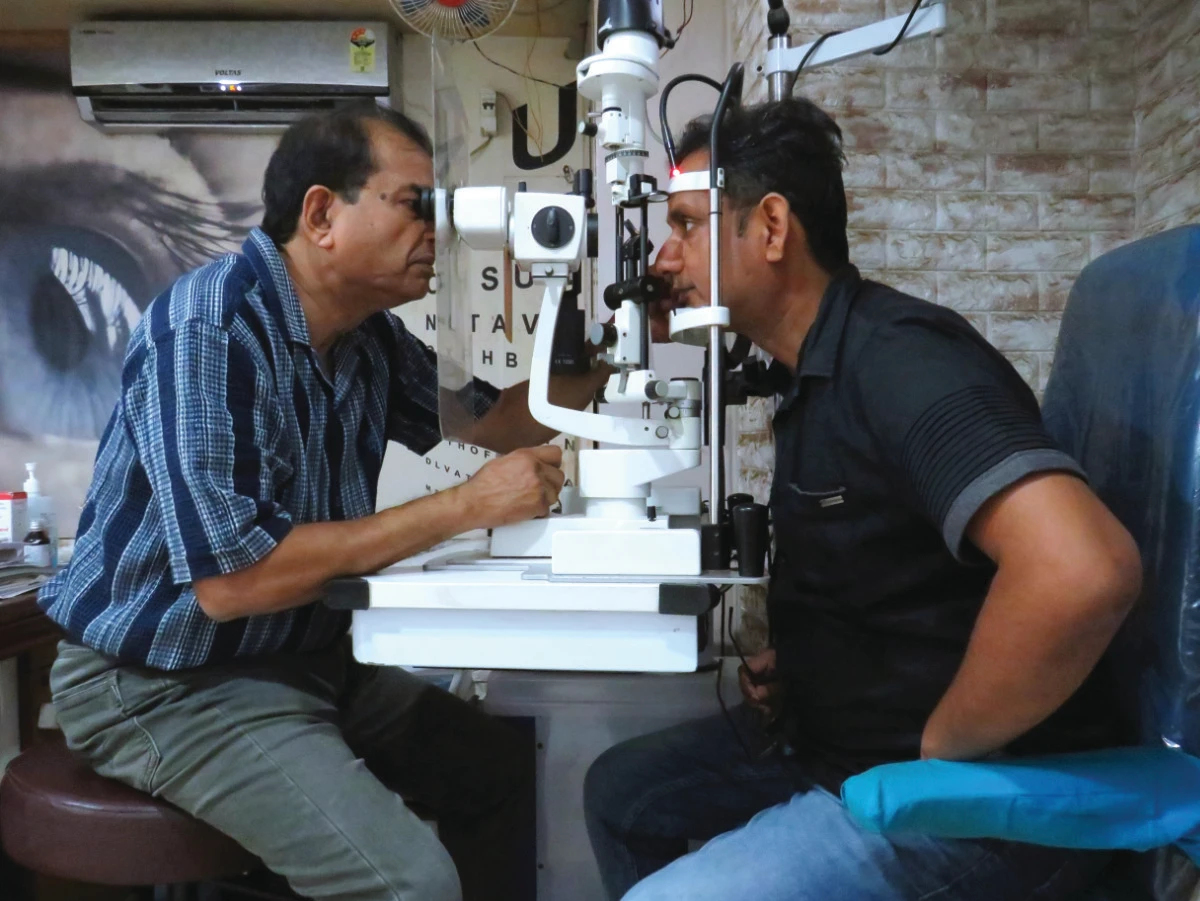
Retinopathy cannot be assessed through routine eye checks alone. Detailed retinal examination, fundus photography, OCT scans, and angiography allow us to detect even subtle vessel damage early—before serious vision loss occurs.
Advanced Treatment to Preserve Sight
Treatment depends on the severity and type of retinopathy. Early stages may be managed with careful monitoring and medical control, while advanced cases may require laser therapy, injections, or surgical intervention. The aim is to stop progression, prevent complications, and stabilize vision.
Common Types of Retinopathy We Manage
- Diabetic retinopathy
- Hypertensive retinopathy
- Retinopathy of prematurity (ROP)
- Vascular and age-related retinal changes
Why Early Treatment Matters
Timely care can prevent irreversible retinal damage, reduce the risk of vision loss, and help maintain independence and quality of life.
Why Choose Us for Retinopathy Care?
Our specialists combine advanced retinal imaging with personalized treatment planning. With a strong focus on early detection, precision care, and long-term monitoring, we work to safeguard your vision at every stage.