

Squint Eye (Strabismus) – Aligning Vision for Better Sight
A squint eye, medically known as strabismus, occurs when the eyes are not properly aligned and point in different directions. This misalignment can affect both vision and appearance. If left untreated—especially in children—it may lead to lazy eye (amblyopia) or permanent vision loss. Early treatment offers the best outcomes at any age.
When Should You Seek Care?
An eye that turns inward, outward, upward, or downward, frequent eye strain, double vision, or head tilting while focusing are common warning signs. In children, delayed visual development or difficulty concentrating may also indicate a squint.
Accurate Evaluation for Correct Alignment
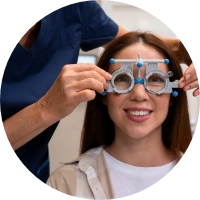
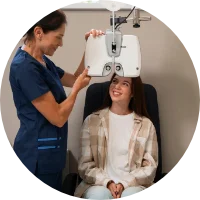
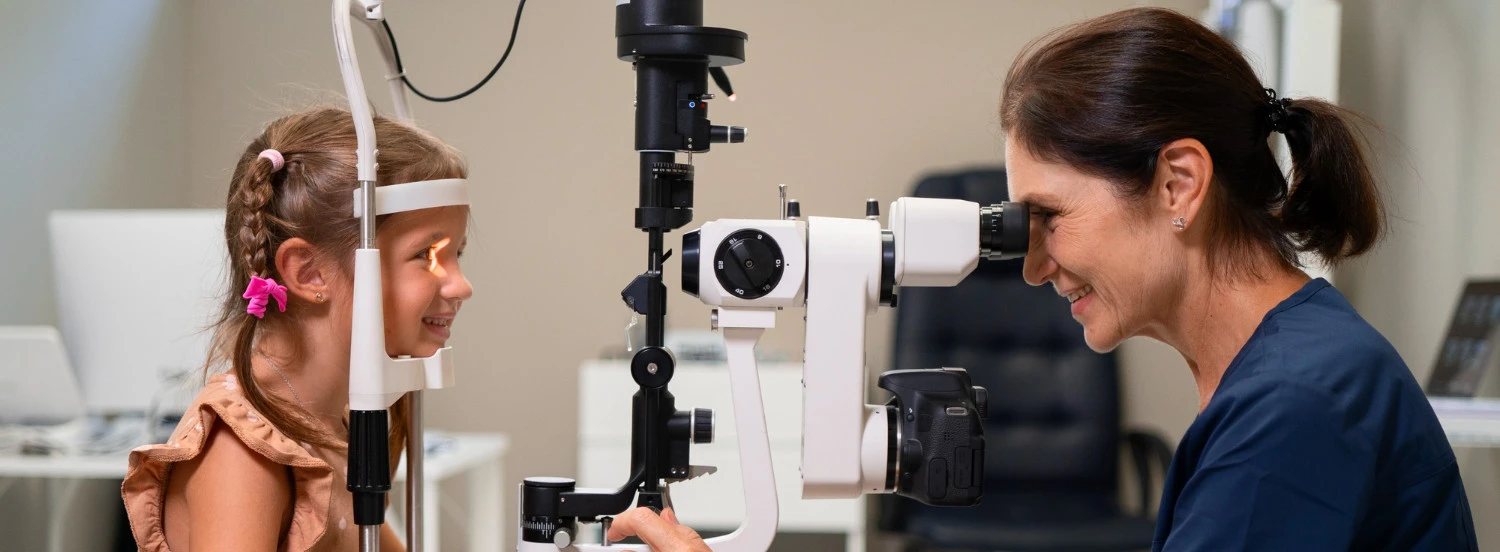
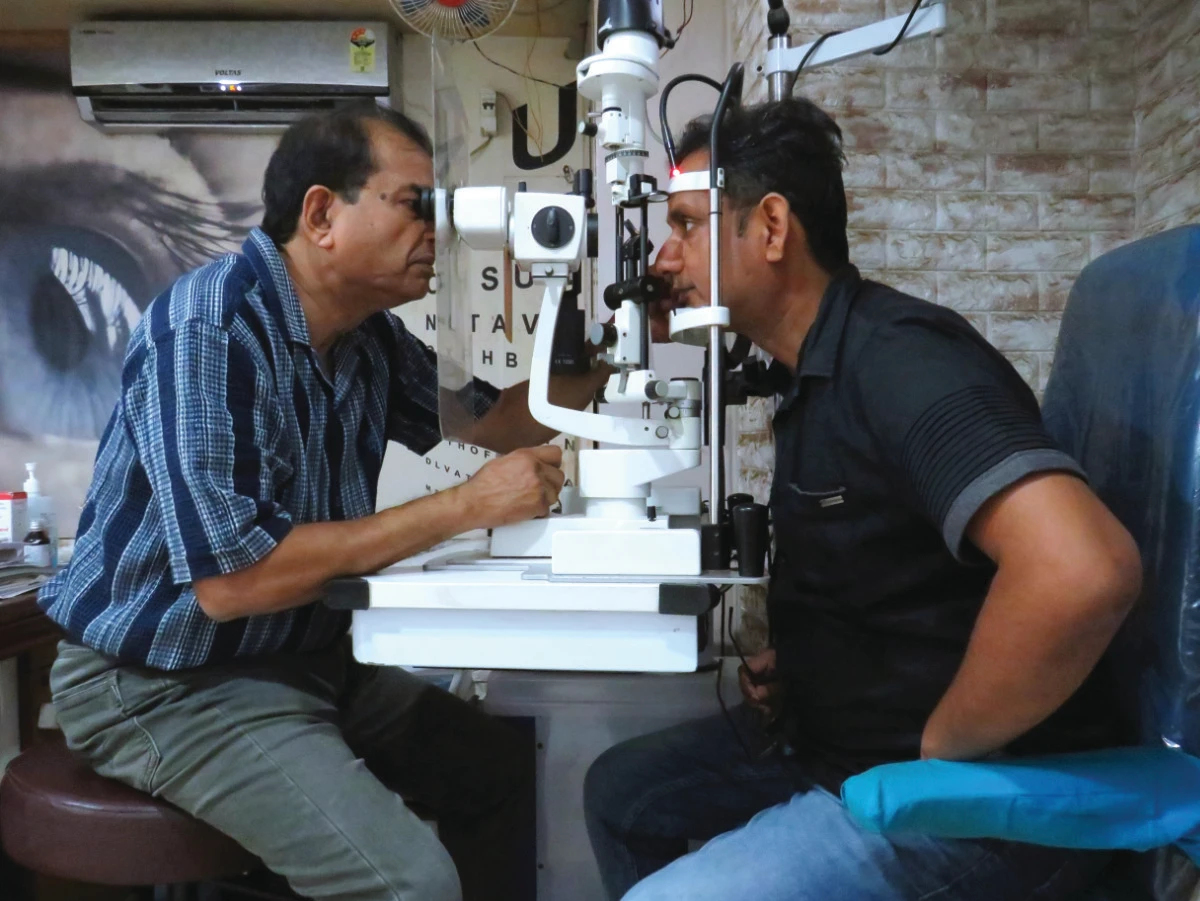
Squint is not just a cosmetic concern—it involves eye muscles, coordination, and brain-eye connection. A detailed assessment of eye alignment, movement, vision strength, and binocular function helps identify the exact cause and severity, allowing precise treatment planning.
Effective Treatment for Children & Adults
Treatment depends on age, type, and severity of the squint. Options may include glasses, vision therapy, patching, or corrective surgery to align the eye muscles. Modern squint surgery is safe, effective, and designed to restore both eye alignment and visual balance.
Benefits of Timely Squint Treatment
- Improved eye alignment and appearance
- Better depth perception and binocular vision
- Prevention of lazy eye in children
- Reduced eye strain and double vision
Why Choose Us for Squint Eye Treatment
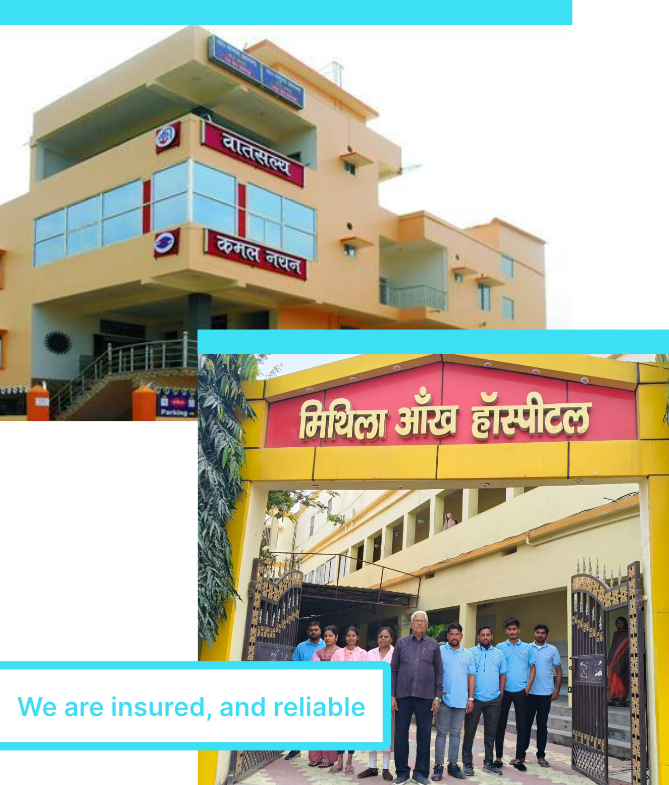
Our specialists offer personalized care using modern diagnostic tools and proven treatment techniques. With a focus on both visual function and natural appearance, we help patients achieve clear, balanced vision with confidence.